



Best Synthetic Bone Graft for Socket Preservation: UK Buyer’s Ranked Shortlist
494 Views
Tooth extraction is a routine dental procedure, but what happens after the tooth is removed can have a significant impact on a patient’s oral health and long-term outcomes. One of the most effective ways to maintain the integrity of the alveolar ridge and prepare the site for future implants or restorations is through socket preservation. The choice of grafting material is crucial, and for many UK clinicians, the best synthetic bone graft offers a compelling combination of safety, predictability, and versatility.
With a wealth of options on the market and ongoing innovation in biomaterials, how do you choose the right synthetic graft for your practice and your patients? Drawing on 15 years of professional content writing in the dental and medical field, here is an evergreen, evidence-based guide to the leading synthetic bone grafts for socket preservation in the UK—ranked and explained for discerning buyers.
Why Socket Preservation Matters
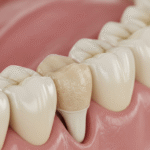
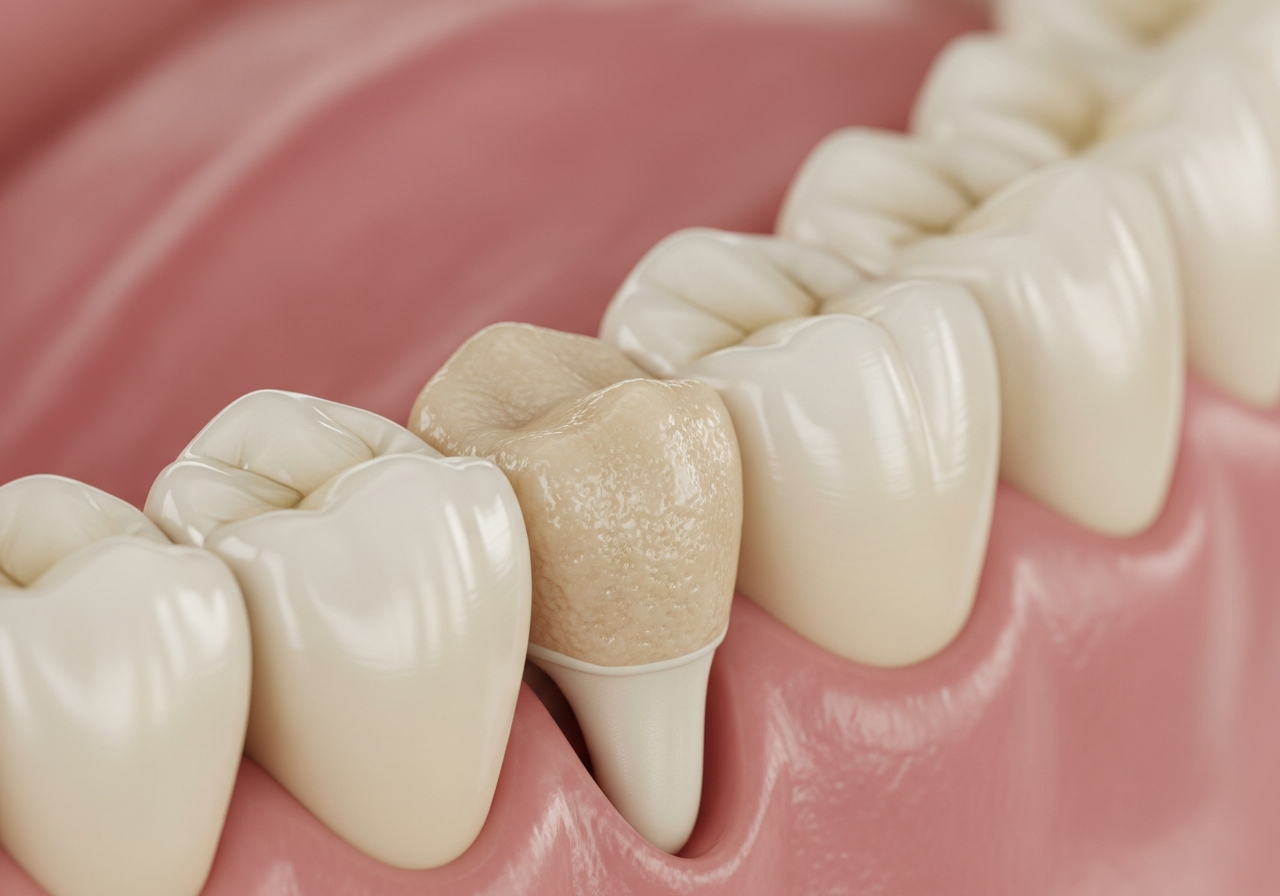
When a tooth is extracted, the surrounding bone undergoes rapid resorption. In some cases, up to 50% of the alveolar ridge’s width can be lost within the first year. This bone loss can complicate future dental implant placement, affect facial aesthetics, and limit restorative options. Socket preservation using a bone graft can:
- Maintain bone volume and architecture.
- Support soft tissue healing.
- Facilitate optimal implant positioning.
- Improve long-term prosthetic success.
While autogenous and xenogeneic grafts have their place, synthetic bone grafts are increasingly favoured in the UK for their biocompatibility, safety profile, and ethical acceptability.
What Makes a Synthetic Bone Graft “Best” for Socket Preservation?
A material worthy of being called the best synthetic bone graft for socket preservation should excel in several key areas:
- Osteoconductivity: The scaffold must support and guide the growth of new bone.
- Biocompatibility: It should integrate seamlessly, without causing immune reactions or inflammation.
- Resorption Rate: The graft should gradually resorb and be replaced by natural bone, matching the healing cycle of the socket.
- Handling Properties: Easy to shape, pack, and place, with minimal migration or washout.
- Clinical Evidence: Backed by robust studies and positive clinician feedback.
- Regulatory Approval: Must be fully CE-marked and compliant with UK and EU standards.
The UK Buyer’s Ranked Shortlist: Top Synthetic Bone Grafts for Socket Preservation
- EthOss® (EthOss Regeneration Ltd)
EthOss has rapidly become a benchmark for the best synthetic bone graft in UK dentistry. Developed by leading clinicians, EthOss is a fully synthetic, biphasic combination of beta-tricalcium phosphate (β-TCP) and calcium sulphate.
Why it stands out:
- Self-setting properties: Once placed, EthOss hardens in situ, eliminating the need for a separate membrane in most cases.
- Complete resorption: Over time, EthOss is replaced by the patient’s own bone, leaving no residual material.
- Rapid vascularisation: The unique microstructure encourages blood vessel ingrowth and faster healing.
- Ease of use: Pre-mixed or easily hydrated, it adapts perfectly to sockets of any shape.
Many UK clinicians praise EthOss for reliable outcomes, especially in single-tooth extractions and immediate implant cases.
- Cerasorb® (Curasan)
Cerasorb is a pure β-TCP synthetic bone graft granulate, well-known for its safety and predictable resorption profile. Its porous structure mimics natural bone, allowing for excellent osteoconduction and stability within the socket.
Key benefits:
- Versatility: Suitable for both small sockets and larger defects.
- Gradual resorption: Balances scaffold retention with timely replacement by new bone.
- Proven track record: Decades of use in the UK and Europe, with consistently positive reports from practitioners.
- BondBone® (MIS Implants)
BondBone is a synthetic, self-hardening calcium sulphate grafting material. Its primary appeal lies in its handling: it can be moulded to fit the extraction socket, sets quickly, and resorbs at a rate compatible with natural bone formation.
Highlights:
- Minimal migration: Once set, BondBone stays in place, supporting soft tissue closure.
- No need for a membrane: In many socket preservation cases, clinicians report successful outcomes without additional coverage.
- Biocompatibility: Pure and safe, it’s suitable even for medically complex patients.
- Maxresorb® (botiss biomaterials)
Maxresorb is a biphasic synthetic bone substitute combining hydroxyapatite (HA) and β-TCP. This dual-phase composition allows for both volume stability and gradual, predictable resorption.
Strengths:
- High porosity: Promotes rapid cell migration and vascularisation.
- Volume maintenance: Especially valued in sockets with thin buccal plates or at high risk of collapse.
- Flexible formats: Available as granules and blocks, suiting a variety of clinical scenarios.
- Blue Bone® (Surgitech)
Blue Bone is a newer entrant to the UK market, but it’s gaining attention for its advanced synthetic formulation and consistent results.
Reasons to consider:
- Composite structure: Utilises a combination of calcium phosphates to enhance both initial stability and eventual resorption.
- Radiopacity: Easily distinguished from natural bone on follow-up radiographs.
- User-focused design: Packaged for convenience, reducing chair time and waste.
Choosing the Right Synthetic Bone Graft: Considerations for UK Practices
While the shortlist above includes some of the most respected options, selecting the best synthetic bone graft depends on several practical considerations:
- Site-specific needs: A wide, shallow socket may benefit from a flowable, self-setting material, while a deeper socket could require a more granular scaffold for support.
- Patient factors: Age, health status, and personal preferences (such as vegan/vegetarian or religious considerations) can shape your choice.
- Surgeon preference: Familiarity with a product and positive past experiences often influence the decision.
- Availability and support: Choose suppliers with reliable distribution, technical support, and clear product documentation.
Partnering with a trusted supplier who understands your clinical workflow and can provide training or troubleshooting is invaluable—especially for new techniques or materials.
The Clinical Impact: What Dentists and Patients Say
Feedback from UK dental professionals consistently highlights several advantages of modern synthetic bone grafts for socket preservation:
- High patient acceptance: With no animal or human derivatives, they’re suitable for a wide range of patients.
- Predictable healing: Most synthetic grafts integrate well, reduce post-operative complications, and allow for timely implant placement.
- Simplified protocols: Many do not require additional membranes or complex layering, saving time and reducing the risk of infection.
- Aesthetics: By preserving ridge contour, these grafts contribute to superior restorative outcomes, supporting patient satisfaction and confidence.
Patients, meanwhile, appreciate the ethical and safety profile, and many actively request synthetic options when given a choice.
Trends and Innovations: The Future of Synthetic Bone Grafting
The UK market for synthetic bone grafts is evolving rapidly. Key trends for 2026 and beyond include:
- Bioactive coatings: The next generation of synthetic grafts incorporates peptides or growth factors to actively stimulate bone formation.
- Personalised grafting: 3D printing and patient-specific scaffolds are on the horizon, promising even more precise and effective socket preservation.
- Digital integration: Treatment planning software now helps clinicians visualise bone loss and graft placement, improving predictability and patient communication.
Staying up-to-date with these advancements is crucial for practices aiming to deliver the very best in patient care.
Making Your Selection: Next Steps for UK Dentists
When choosing the best synthetic bone graft for socket preservation, prioritise:
- Clinical evidence and peer-reviewed research.
- Product reliability, ease of use, and patient safety.
- Partnering with a supplier who offers not just products, but ongoing education and support.
Trialling different options in your own cases, attending workshops, and discussing experiences with colleagues are excellent ways to build confidence and refine your protocols.
Conclusion
Socket preservation is a vital step in modern dental care, and synthetic bone grafts are leading the way for UK clinicians committed to ethical, predictable, and high-quality results. With a growing range of reputable materials—like EthOss, Cerasorb, BondBone, Maxresorb, and Blue Bone—practices have more choice than ever to meet their clinical and patient needs.
If you’re ready to invest in the best synthetic bone graft for your practice, Restore Surgical can assist you with product selection, training, and dependable supply. If you wish, you can buy with them and take your socket preservation outcomes to the next level.
Disclaimer: This blog is for informational purposes only and does not constitute medical advice. Clinicians should always refer to official product documentation and current clinical guidelines before making treatment decisions or introducing new materials into practice.
